Over the last 10 years, we’ve seen organisations make a sizeable investment in workplace mental health training. Whilst there’s been a series of routes, Mental Health First Aid training became the default way for how organisations could ‘demonstrate’ their commitment to workplace mental health.
It was offered as a low-cost training solution, it was easy for organisations to approve, deliver, and sign off. A short course. A certificate. A refresher every couple of years. Passionate employees volunteered, often because they genuinely cared and wanted to support others.
For many organisations, the box was ticked.
Mental Health First Aiders. Champions. Ambassadors. Different titles, but largely the same model: train people, normalise mental health conversations, and we’ll see wellbeing improve.
At first, things seemed positive. Awareness increased. Support became more visible. Leaders felt reassured that something meaningful was in place. Volunteers felt proud to play a role. There was momentum, and a sense that mental health was finally being taken seriously. Then the risks and challenges began to emerge behind these programmes.
The point organisations don’t expect to reach
Once a Mental Health First Aid or Champion network is active, it begins operating in the real world… not in controlled training scenarios.
Conversations happen informally and unpredictably: on shop floors, on site, in corridors, during night shifts, or across long video calls. The issues raised aren’t always simple or contained. They can involve distress, disclosure, risk and safeguarding concerns that place real responsibility on the individual supporter.
For the HR, Wellbeing and Health & Safety teams responsible for these programmes, this is often the moment the questions change.
The focus moves away from uptake and engagement, and towards safety, governance and accountability.
Are conversations being handled consistently?
Do supporters understand their boundaries?
What oversight exists once training is complete?
Do we have any meaningful insight into what’s happening across the network?
And are we confident that these supporters themselves are being protected?
This moment is uncomfortable, precisely because the organisation did what it believed was right. It invested in training, followed a widely accepted model. Yet the programme is now difficult to manage, hard to measure, and lacks proactive safety controls.
Investment isn’t the same as impact
Many organisations reach this stage with a growing sense of tension. Programmes such as Mental Health First Aid were never designed to carry the level of responsibility it now holds in the workplace. Conversations happen privately. Oversight is limited. Measurement is light or anecdotal. And yet, the risk attached to these interactions is very real.
This is also where the evidence matters.
Research referenced by both Cochrane and the HSE highlights a difficult truth: there is no clear evidence that traditional Mental Health First Aid improves mental health outcomes in the workplace. What we don’t see is organisations abandoning peer support. What we do see is organisations asking a more important question: How do we run this safely and properly?
Why we created the Supporter Method™
At Everymind, we work with organisations who are already beyond the starting line. They care about their people, they’ve invested in peer support, and they want it to work. What they’re asking for is not more enthusiasm or another title. They’re asking for a framework that brings clarity: a structure that is safety-first, supported by governance, and measurable in a way that helps leaders make decisions and manage risk.
The Supporter Method™ was created to meet that need. It is designed to help businesses transition from traditional Mental Health First Aid to a safer, structured and truly measurable Supporter network. It aligns with HSE principles and ISO 45003 guidance, while still allowing organisations to shape success around what matters most in their context.
What the Supporter Method™ Course is
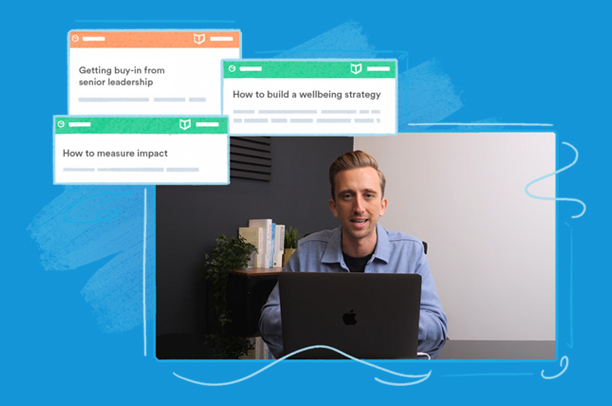
The Supporter Method™ Course is an exclusive, application-based eLearning programme where we teach our 5-step Supporter Method™ framework.
It is designed for organisations with over 250 employees, led by wellbeing, HR or Health & Safety professionals who have ownership of their programme and are ready to embed a safety-first, structured, measurable approach.
This course is not intended as a tick-box wellbeing initiative. It is for leaders who recognise that mental health conversations must be handled safely, with clear governance in place, and who want a model they can confidently implement, communicate, and measure.
What you’ll receive
By the end of the course, participants will receive an official Everymind-approved completion certificate confirming completion of the Supporter Method™ Course.
They will also gain access to exclusive resources to help assess their current programme and move forward with the framework with confidence.
In addition, participants will receive invitations to invite-only opportunities, including virtual roundtables and in-person learning experiences.
Applications are now open
The Supporter Method™ Course is now open for applications. If you’re responsible for wellbeing, HR, or Health and Safety in an organisation with 250+ employees, lead your current network, and are ready to move beyond traditional Mental Health First Aid, you can learn more and apply now.